0
0

Calibration Gases
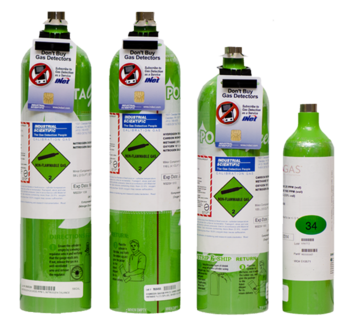
NIST Traceable Calibration Gases & Custom Mixtures
Apollo Safety stocks a complete line of NIST traceable calibration gases and custom gas mixtures for calibrating portable and fixed gas detection instruments. Whether you need a single-gas cylinder for CO, H2S, O2 or methane (LEL), or a multi-component 4-gas calibration mixture, our calibration gas delivers accurate, OSHA- and ANSI-compliant results for industrial, commercial, and safety applications.
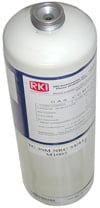
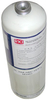
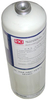
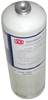
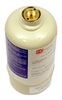
Calibration gas is the baseline that keeps your gas detector calibration trustworthy. Drifted sensors produce false readings — and a false zero or span can mean the difference between an alarm and a miss. That's why every cylinder we ship is NIST traceable, with a certificate of analysis (COA), in aluminum or steel sizes from 17L to 650L. Browse our calibration gas and cylinders below.
Calibration Gases in Stock
- Ammonia (NH3) — 10, 25, 100, 200 ppm
- Carbon Monoxide (CO) — 25, 50, 100, 300, 500 ppm
- Chlorine (Cl2) — 2, 5, 10 ppm
- Hydrogen (H2) — 10% LEL, 50% LEL
- Hydrogen Sulfide (H2S) — multiple ppm concentrations
- Hydrogen Cyanide (HCN)
- Methane (CH4) — 5% LEL, 10% LEL, 50% LEL, 99.9% vol
- Nitrogen (N2) — 99.9% vol
- Sulfur Dioxide (SO2) — 5, 10 ppm
- Silane (SiH4) — 5, 10 ppm
- Hexane — 15% LEL
- Isobutane — 500 ppm, 20% LEL, 50% LEL
- Pentane — 25% LEL, 30% LEL
- Zero gas — 20.9% oxygen (20.95% O2) steel cylinder
Many other concentrations, balance gases, and custom calibration mixtures are available — if you don't see it, ask.
Compatible With Your Detector
Any gas detector calibrates against the correct reference gas. Our cylinders and mixtures are specified for instruments from RKI Instruments, Industrial Scientific, RAE Systems, Dräger, MSA (Alto / MultiGauge), and Honeywell BW — including Ventis, MultiGauge, and RAE Series 4-gas monitors, single-gas CO and O2 monitors, and fixed point gas detectors. If you're unsure which gas your sensor needs, call our gas detection experts — we'll match the gas, concentration, and balance to your instrument.
Cal Gas by Monitor — Quick Reference
Most 4-gas and multi-gas monitors calibrate with a single blend. Our most requested combinations:
| Your monitor / sensor | Recommended calibration mixture |
|---|---|
| 4-gas / 5-gas portable (CO, H2S, O2, LEL) | 25 ppm H2S + 100 ppm CO + 50% LEL CH4 + 18% O2 (Al 58L or 650L) |
| Propane / pentane LEL sensor | 25 ppm H2S + 100 ppm CO + 25% LEL pentane + 18% O2 |
| CO + H2S + LEL + SO2 (5-gas) | 25 ppm H2S + 100 ppm CO + 50% LEL CH4 + 10 ppm SO2 + 18% O2 |
| Isolated / head-space sensors (combustible) | Single gas in nitrogen balance, e.g., 50% LEL CH4 in N2 |
| Oxygen sensor | Air balance (20.9% O2) or 20.9% O2 zero/span gas in N2 |
Not on the list? We build custom calibration mixtures to your exact specification.
Bump Test Gas vs. Full Calibration Gas
A daily bump test is a quick check at 100% LEL (or your alarm setpoint) to confirm your alarm fires. A full calibration restores sensor accuracy using NIST-traceable reference gas — typically at 50% of the monitored range, e.g., 50 ppm CO, 10 ppm H2S, or 10% LEL methane. Most standards and manufacturers recommend calibrating at least every 6 months, plus a daily bump test before field use. For zero checks, we stock zero gas (20.9% oxygen) in a steel cylinder.
CGA Regulator & Cylinder Connection Guide
The right regulator matters as much as the gas. Match the cylinder valve to your instrument's inlet:
- CGA-580 — methane in nitrogen (and many N2-balance blends)
- CGA-590 — carbon monoxide / air balance, nitrogen
- CGA-600 — hydrogen sulfide
- CGA-330 — oxygen / 20.9% O2
- CGA-C10 — multi-gas blends for many portables
We stock calibration gas regulators (CGA-590, CGA-600, CGA-C10) at 0.5–1.0 LPM. Check the valve on your cylinder label, or call and we'll confirm the fit.
How to Choose the Right Calibration Gas
Choosing correctly comes down to three decisions:
- Match the gas and range to your sensor. Calibrate at the concentration you actually monitor — typically around 50% of the alarm setpoint. For LEL (combustible) sensors use a % LEL mixture (e.g., 50% LEL methane or propane); for toxic sensors use ppm.
- Pick the balance gas. Nitrogen-balance gas is the standard for most monitors and isolated sensors; air-balance (20.9% O2) is used when calibrating an oxygen sensor or when the instrument is specified to calibrate in air.
- Size the cylinder and regulator. A 58L aluminum cylinder suits most field calibration; high-volume or daily-use instruments use 116L or 650L. Pair it with the correct CGA regulator — we stock calibration gas regulators (CGA-590, CGA-600, CGA-C10) at 0.5–1.0 LPM.
Shipping, Storage & Shelf Life
Cylinders ship DOT-compliant with a certificate of analysis. They should be stored upright, secured, and away from heat. Most unopened calibration gas has a multi-year shelf life — confirm the date on the cylinder label before use. Larger 552L / 650L cylinders typically ship freight; call for a quote and lead time.
Calibration Gas for Confined Space, Wastewater & Industrial Use
From fixed point gas detectors to portable multi-gas units, calibration gas supports every industry that lives with hazardous atmospheres — confined space entry, wastewater treatment, oil & gas, manufacturing, HVAC, and battery rooms. Pair your gas with our 100% Compliance calibration and repair service, where calibrations are completed within 24 hours and repairs within 48. For replacement sensors after calibration, see our gas monitor parts.
Frequently Asked Questions
How often should I calibrate my gas detector?
Most standards and manufacturers recommend at least every 6 months, plus a daily bump test before field use. OSHA and ANSI treat calibration as part of routine gas detection maintenance.
What does "NIST traceable" mean?
It means the cylinder's concentration is measured and certified against a chain of reference standards traceable to the National Institute of Standards and Technology, so you can verify your instrument against a known, defensible value.
Nitrogen balance or air balance — which do I need?
Use nitrogen balance for most toxic and combustible calibrations. Use air balance (20.9% O2) when calibrating an oxygen sensor or when your monitor is specified to calibrate in air.
What is the difference between bump test gas and calibration gas?
A daily bump test is a quick check at 100% LEL (or your alarm setpoint) to confirm your alarm fires. A full calibration restores sensor accuracy using NIST-traceable reference gas — typically at 50% of the monitored range. Both use calibration gas; the concentration and purpose differ.
What is zero gas and do I need it?
Zero gas contains no target analyte. We stock a 20.9% oxygen (20.95% O2) steel cylinder that works as zero gas for oxygen-deficiency and many multi-gas zero checks.
Can you make a custom mixture?
Yes. We formulate custom single- and multi-gas calibration mixtures to your specification, in the cylinder size you need.
Which regulator (CGA connection) do I need?
CGA-580 for methane-in-nitrogen, CGA-590 for CO/air and N2 balance, CGA-600 for H2S, CGA-330 for oxygen, and CGA-C10 for many multi-gas blends. We stock matching regulators at 0.5–1.0 LPM — check the cylinder label or call our team.
Does cal gas only work with RKI or Industrial Scientific detectors?
No. Any detector can be calibrated with the right reference gas. Our cylinders calibrate RKI, Industrial Scientific, RAE, Dräger, MSA and Honeywell BW instruments when the gas, concentration and balance match your sensor's requirement.
How do I store and ship the cylinder?
Cylinders ship DOT-compliant and should be stored upright, secured, and away from heat. Most unopened calibration gas has a multi-year shelf life — confirm the date on the cylinder label.
Call toll-free 800-813-5408 (sales) or 508-673-2544 (technical) to speak with one of our gas detection experts, or schedule your calibration today.
Prices are subject to change without notice due to ongoing tariff adjustments and market conditions. For the most accurate and up-to-date pricing, please contact us directly.