0
0

Specialized Gas Detectors or Detecting Hazardous Atmospheres
If searching for confined space monitors or safety tips for confined space entry, ensuring reliable gas detection and protocols is crucial in high-risk areas like silos, tanks, manholes, or vaults common in construction, manufacturing, government infrastructure, or military facilities, where oxygen deficiency or toxic gases can lead to fatalities.
According to OSHA, confined spaces cause an average of 92 fatalities per year in the U.S. Additionally, the Bureau of Labor Statistics reports 820 deaths from harmful substances in 2023, many in confined spaces. At Apollo Safety, we specialize in high-quality confined space monitors with one-year free expert calibration on most gas monitors.
This guide explores confined space hazards, best monitors for 2026, safety tips, real-world incidents, and complementary PPE, highlighting how our products ensure compliance with OSHA regulations and how to protect your team.
What Are Confined Space Monitors and Why Do You Need Them?
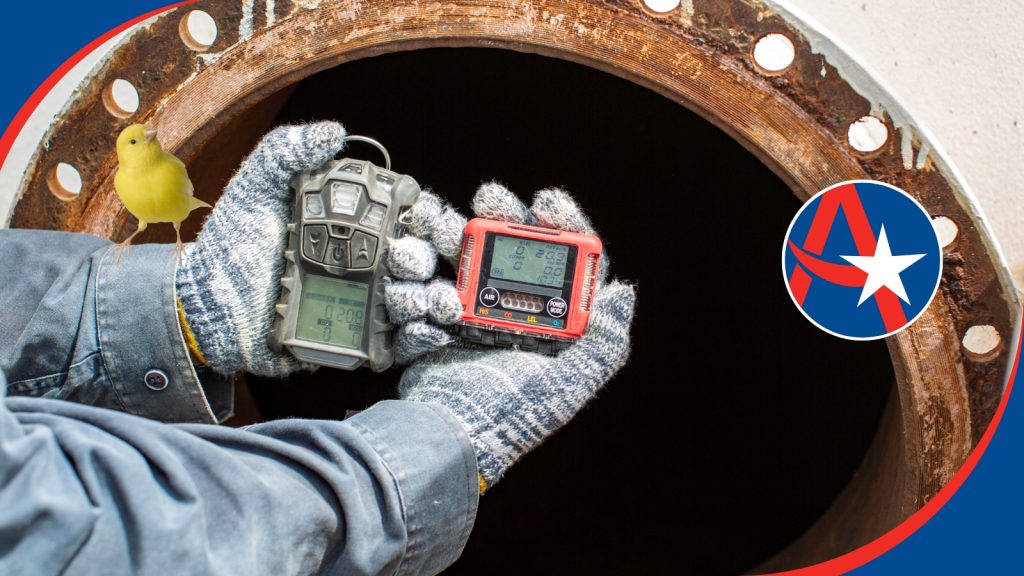
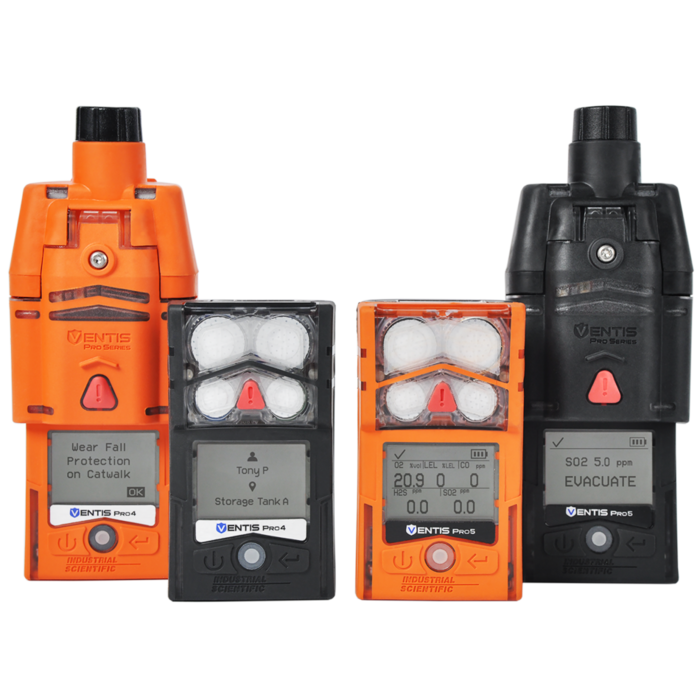
Confined space monitors are portable or fixed devices that continuously test for oxygen deficiency (below 19.5%), flammable gases (above 10% LEL), and toxics like H2S or CO in restricted areas. Confined space monitors are necessary to identify invisible threats that can lead to immediate death or long-term health issues, as confined spaces trap gases and restrict ventilation. NIOSH reports that 60% of confined space fatalities are rescuers without proper monitoring. Apollo Safety’s Industrial Scientific Ventis Pro5 (at Ventis Pro5, $1,829.56) features LENS wireless for team alerts. This type of monitor is ideal for military confined space entry.
What Is the Best 4-Gas Monitor for Confined Space?
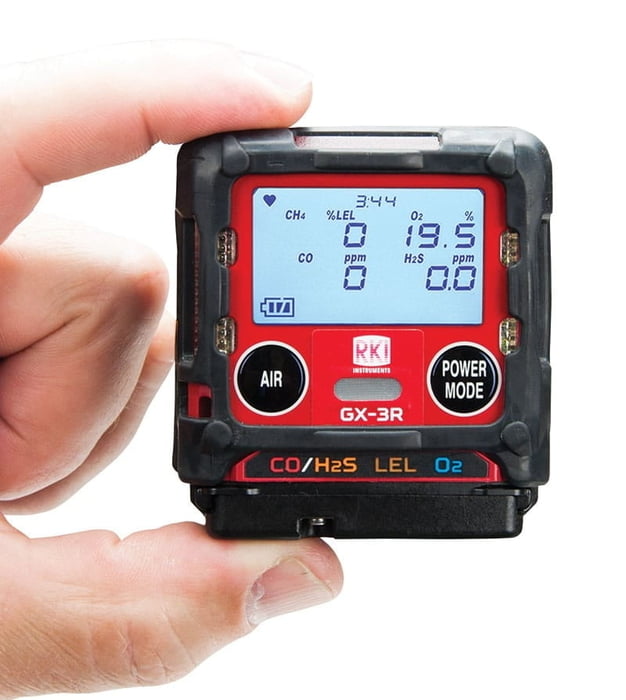
The best 4-gas monitor for confined space detects O2, LEL, CO, and H2S with alarms, data logging, and durability for harsh conditions. It should also comply with OSHA testing requirements and have long battery life for extended operations. Apollo Safety’s RKI GX-3R (at GX-3R, $640) is ultra-compact with 25-hour runtime and IP68 rating, perfect for construction manholes. The GX-3R is the world’s smallest 4 gas monitor weighing only 3.52 ounces. It can comfortably be clipped within a worker’s breathing zone.
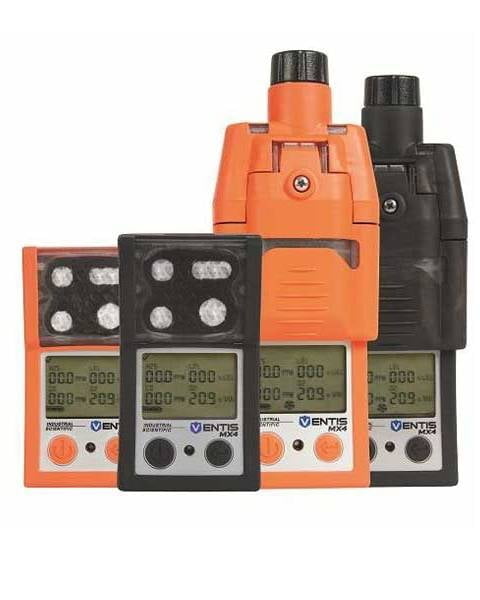
For advanced 2026 tech, the Ventis MX4 (at Ventis MX4, $919.02) includes bump test reminders and wireless connectivity.
How to Choose a Confined Space Gas Monitor for 2026?
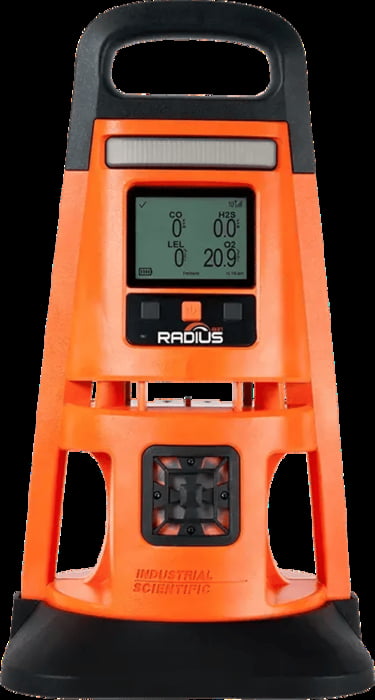
Choosing a confined space gas monitor involves evaluating sensor accuracy, bump testing ease, and integration with 2026 OSHA updates on continuous monitoring. Prioritize IP-rated housings for dust/water and wireless for remote viewing. Apollo Safety’s Radius BZ1 Area Monitor (at Radius BZ1, $9,677.00) provides 7-day runtime and 108 dB alarms for fixed manufacturing tank monitoring.
What Are Confined Space Safety Tips for Entry?
Confined space safety tips for entry include obtaining permits, testing atmosphere before and during entry, and having attendants with communication.
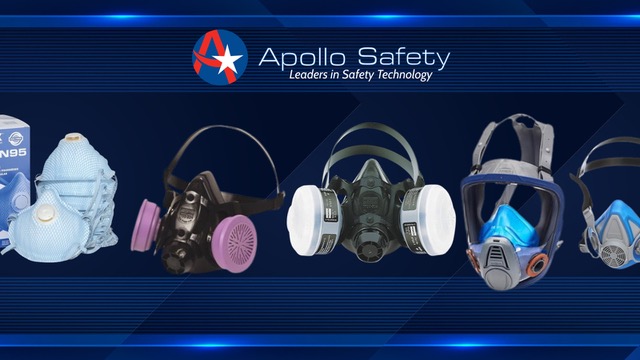
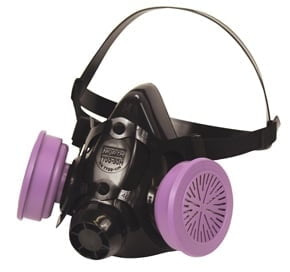
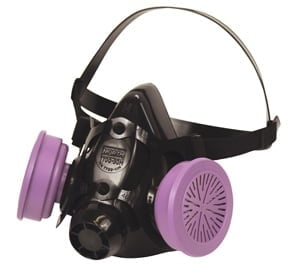
Confined space safety tips also emphasize ventilation, rescue plans, and training to avoid the 92 annual fatalities reported by OSHA. Apollo Safety bundles monitors with PPE like the Honeywell North Half Mask (at Honeywell Half Mask, $39.00) for confined space respiratory protection.
What Are Confined Space Hazards and How to Mitigate Them?
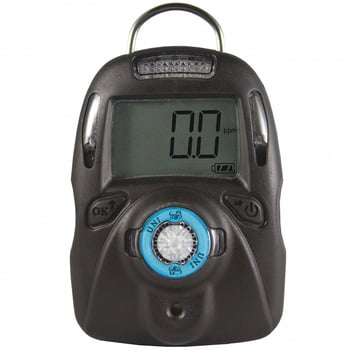
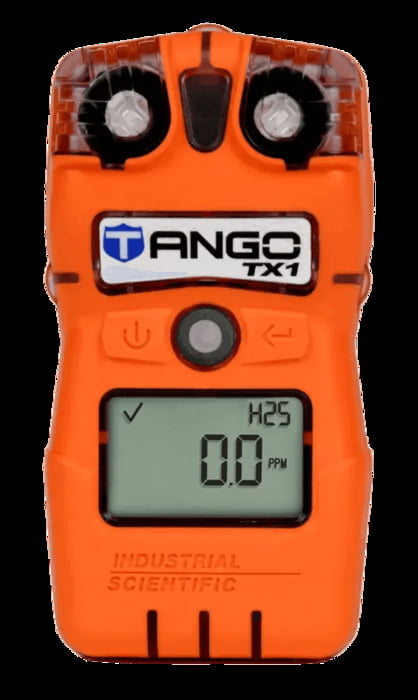
Confined space hazards include oxygen deficiency (below 19.5%), flammable gases (above 10% LEL), and toxics like H2S (above 10 ppm) or CO (above 35 ppm). Confined space hazards can be mitigated with continuous monitoring, ventilation, and PPE. Apollo Safety’s Tango TX1 Single-Gas Monitor for H2S (at Tango TX1, $354) detects low levels with dual sensors for redundancy.
Real-World Scenarios: Confined Space Incidents from Construction and Manufacturing
Real-world scenarios highlight the need for confined space monitors. In construction, a 2023 Georgia manhole incident killed a plumber from H2S exposure without proper testing; a confined space monitor could have alerted the team. In manufacturing, a 2024 Texas refinery H2S release in a confined tank killed 2 workers during maintenance; continuous 4-gas monitoring would have prevented entry. A 2024 Pennsylvania soap plant chlorine leak in a confined vessel exposed 5, leading to $161,310 fines; proper monitors and safety tips could have mitigated it.
Complementary PPE for Confined Space Safety
Atmospheric monitoring with your gas detector is the first line of defense, but it’s not the whole picture. Complementary PPE is necessary for confined spaces to provide layered protection against physical injuries, chemical exposures, and falls that monitoring alone can’t cover. Keep your workers fully protected with PPE:
Head Protection
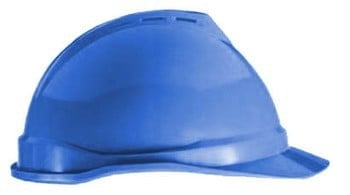
Guard against head impacts with the MSA Polyethylene Slotted Hard Hat (at MSA Hard Hat, $24.79).
Eye and Face Protection
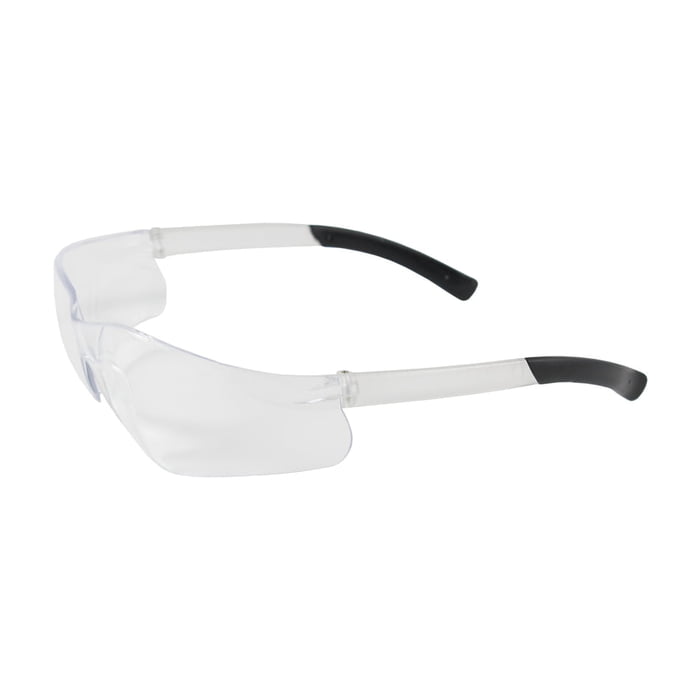
Protect eyes from debris with these PIP Zenon Z13 Safety Glasses (at PIP Glasses, $1.73).
Respiratory Protection
Filter for toxins with the Honeywell North Half Mask (at Honeywell Half Mask, $39).
Hand Protection
Resist cuts on hands with the Portwest Latex Palm Gloves (at Portwest Gloves, $2).

Foot Protection
Resist feet from slipping with footwear like the Tingley Neoprene Steel Toe Boots (at Tingley Boots, $109.23).

Hearing Protection
Block noise with the 3M EAR Classic Foam Ear Plugs (at 3M Ear Plugs, $28.99).

Additional Considerations
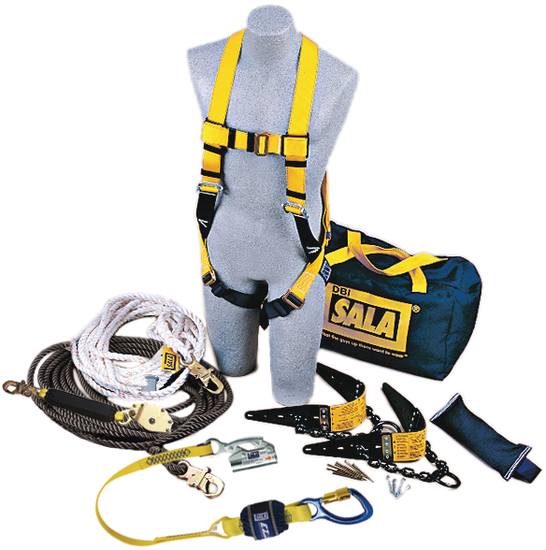
Consider fall protection with the DBI-SALA Fall Protection Kit (at DBI-SALA Kit, $1,404) for elevated entries, plus high-visibility vests to stay seen in low-light conditions.
Why Choose Apollo Safety for Confined Space Monitors?
Apollo Safety is committed to quality, excellence, and service. We specialize in gas detection monitors, man-down devices, lone-worker devices, and protective workwear, offering real-time monitoring, worker connectivity, and panic alarms to help keep your team safe.
Our service program includes one year of free expert calibration with every new portable gas monitor (some restrictions apply), and we provide convenient monthly rental options for four-gas detectors at special rates. Whether you need technical assistance or help selecting the right equipment, our team is here to support you every step of the way.