0
0

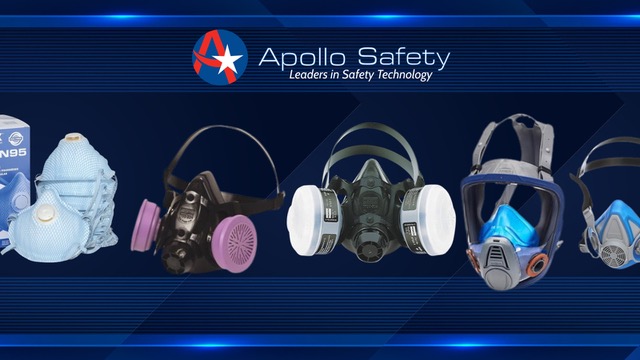
If searching for the best respirators for a job site or need guidance on how to choose a respirator, ensuring reliable protection against dust, fumes, chemicals, or biohazards is critical. With OSHA violations for respiratory protection exceeding 2,000 citations in 2025 alone, selecting appropriate gear is essential not only for compliance but also for averting serious health risks such as lung diseases or acute exposures.
At Apollo Safety, we provide superior value compared to competitors by offering same-day shipping, complimentary expert calibration, and bundle discounts that can reduce costs by 10-20% on bulk purchases. This guide explores key considerations, drawing on real incidents and the latest data to recommend products from our inventory, helping organizations enhance safety protocols and operational efficiency.
What Is the Best Respirator for Construction Workers?
When considering the best respirator for construction workers, focus on models that effectively combat common hazards like silica dust from concrete cutting, asbestos fibers during demolition, or particulate matter from sanding and grinding. These threats can lead to chronic conditions such as silicosis, a progressive lung disease that scars tissue and impairs breathing, or even lung cancer with prolonged exposure. According to a 2024 CPWR study, 22.9% of construction workers face hazardous chemical exposures for four or more hours weekly, underscoring the need for high-filtration respirators that meet NIOSH standards.
Key Features to Look For
The ideal respirator should offer at least 95% filtration efficiency against non-oil-based particles (N95 rating) or higher (P100 for 99.97% efficiency), with options for reusable components to minimize waste and costs. Comfort features like adjustable straps, exhale valves to reduce heat and moisture buildup, and compatibility with other PPE such as hard hats or safety glasses are crucial for all-day wear in demanding conditions. Additionally, ensure the respirator is rated for the specific contaminants present, as OSHA requires hazard assessments under 29 CFR 1910.134.
Recommended Products from Apollo Safety
Apollo Safety’s N95 Moldex Disposable Respirators with Exhale Valve (10/Box) stand out for construction applications, providing a PVC-free design available in three sizes for a customizable fit that enhances seal integrity and user comfort during extended shifts (available at N95 Moldex Respirators, priced at $40.00). These respirators feature a Dura-Mesh shell that resists collapsing in hot, humid environments, making them superior for outdoor or high-exertion tasks compared to basic models from other suppliers.
For more robust protection against oil-based aerosols or finer particulates, pair with the North Cartridge with P100 Particulate Filters (pair, $29.99, at North P100 Cartridge). This reusable cartridge system integrates seamlessly with half-mask respirators, offering extended service life and cost savings through easy replacement—ideal for government infrastructure projects where budget efficiency is key.
Real-World Incident and Mitigation
A poignant example of the importance of proper respiratory protection in construction comes from the 2010s outbreaks of silicosis among artificial stone countertop fabricators in the U.S., where inadequate dust control and improper respirator use led to over 100 diagnosed cases, including fatalities among young workers. A NIOSH investigation revealed that consistent use of N95 or higher respirators, combined with wet methods for cutting, could have reduced exposures by up to 67%, preventing many of these tragedies. Apollo Safety’s products directly address such risks, with bundled options including fit-testing kits to ensure compliance and effectiveness for military engineering teams or large-scale builds.
How to Choose the Right Respirator for Painting and Fumes?
Selecting the right respirator for painting and fumes involves evaluating exposure to volatile organic compounds (VOCs), solvents like toluene or xylene, and isocyanates in spray paints, which can cause immediate symptoms such as dizziness, nausea, or long-term effects including asthma or neurological damage. In manufacturing settings, where these hazards are prevalent, the U.S. Bureau of Labor Statistics reported 54,000 respiratory illness cases in private industry for 2024, down from previous years but still highlighting the ongoing need for targeted protection.
Assessing Hazards and Protection Levels
Begin with a thorough workplace hazard analysis to identify specific fumes and their concentrations, as recommended by OSHA. For organic vapors, opt for cartridges certified for those contaminants, often combined with particulate filters for hybrid threats. Assigned protection factors (APFs) are key: half-masks offer an APF of 10, while full-face respirators provide 50, and powered air-purifying respirators (PAPRs) can reach 1,000 for high-concentration environments.
Recommended Products from Apollo Safety
For effective defense, Apollo Safety recommends the Honeywell North Organic Vapor Cartridges with P100 Particulate Filters (pair, $33.42, at Honeywell Cartridges). These cartridges protect against a wide range of organic vapors, chlorine, hydrogen chloride, and particulates, with a P100 filter efficiency that captures 99.97% of aerosols—perfect for automotive painting or industrial coating applications.
For more intensive scenarios, the 3M Versaflo Powered Air Purifying Respirator Painters Kit ($2,362.82, at Versaflo Kit) delivers constant filtered airflow, reducing breathing resistance and fogging in enclosed spaces. This intrinsically safe system includes a hood, breathing tube, and high-capacity battery, offering up to 8 hours of runtime, making it ideal for military vehicle maintenance or government facility renovations.
Real-World Incident and Mitigation
In a 2011 OSHA-investigated incident at a chemical manufacturing plant, a worker was overcome by trichloroethane fumes while using an inappropriate air-purifying respirator instead of supplied-air equipment, resulting in unconsciousness and a failed co-worker rescue attempt that endangered more lives. Proper selection of organic vapor cartridges and fit-testing could have prevented this, as emphasized in the report. Apollo Safety’s expert consultations ensure the right match to your safety data sheets (SDS), with rental options for trial periods to confirm suitability.
What Is the Best N95 Mask for Dust and Particulates?
Identifying the best N95 mask for dust and particulates requires prioritizing filtration efficiency, comfort, and durability against non-oil-based hazards common in woodworking, metal grinding, or general assembly lines. These particles can exacerbate conditions like chronic obstructive pulmonary disease (COPD), with BLS data indicating 148,000 total nonfatal illnesses in private industry for 2024, including significant particulate-related cases.
Features for Optimal Performance
Look for NIOSH-approved N95 masks with features like molded cups for better facial conformity, adjustable nose clips to minimize leakage, and exhale valves to expel hot air and reduce moisture buildup, which can compromise fit over time. For environments with varying humidity, select models with collapse-resistant shells.
Recommended Products from Apollo Safety
Apollo Safety’s N95 Moldex Disposable Respirators with Exhale Valve (at N95 Moldex Respirators) are top-rated, featuring a Dura-Mesh outer shell that maintains shape in hot conditions and an exclusive HandyStrap for easy hanging around the neck when not in use. Available in small, medium, and large sizes, they provide a reliable seal for diverse workforces.
Enhance protection with the MSA Flexi Filter Pads for Advantage Respirators (2/PK, $12.40, at MSA Filter Pads), which offer low-profile P100 filtration that fits under welding helmets or hoods, ideal for mixed-hazard sites.
Real-World Incident and Mitigation
A 1974 NIOSH study on underground coal miners demonstrated that consistent use of respirators reduced coal dust exposures significantly, correlating with lower rates of pneumoconiosis, a debilitating black lung disease that affected thousands of unprotected miners in prior decades. Modern N95s with P100 upgrades, like those from Apollo Safety, build on this by offering higher efficiency, with bundles including storage cases to maintain hygiene and longevity.
How to Perform a Respirator Fit Test?
Performing a respirator fit test is a mandatory OSHA requirement under 29 CFR 1910.134(f) to verify a tight seal, as leaks can reduce protection by up to 90% according to CDC research. Tests should be conducted annually or whenever facial changes occur, using qualitative methods (e.g., taste aversion) or quantitative (e.g., particle counting) for precision.
Step-by-Step Process
- Preparation: Select the respirator model and conduct a user seal check by covering outlets and inhaling/exhaling to detect leaks.
- Qualitative Fit Test: Use agents like Bitrex (bitter taste) or saccharin (sweet taste). Don the respirator, enter a test enclosure, and perform exercises (e.g., talking, bending) while exposed to the agent—if tasted, the fit fails.
- Quantitative Fit Test: Employ devices measuring particle concentrations inside vs. outside the mask, requiring a fit factor of at least 100 for half-masks.
- Documentation: Record results and retrain if needed.
Recommended Products from Apollo Safety
Apollo Safety’s Allegro Bitrex Respirator Fit Test Kit ($236.26, at Bitrex Respirator Kit) includes sensitivity solution, test ampules, and a hood, making qualitative testing straightforward and compliant. We provide complimentary training guides with purchases.
Real-World Incident and Mitigation
In a 2024 ammonia leak at a Virginia cold storage facility, 33 workers were hospitalized due to inadequate respiratory protection and poor fit, as the incident report noted failures in seal integrity during evacuation. Regular fit testing with kits like ours could have ensured better preparedness, minimizing health impacts.
What Is the Best Full Face Respirator for Chemicals?
The best full face respirator for chemicals provides comprehensive eye, face, and respiratory protection against gases like ammonia, chlorine, or methylamine, which can cause severe burns or systemic toxicity. These are vital in labs or confined spaces, where APFs up to 50 are needed.
Selection Criteria
Prioritize polycarbonate lenses for impact resistance, wide fields of view, and cartridges rated for specific chemicals. Ensure compatibility with supplied-air systems for IDLH atmospheres.
Recommended Products from Apollo Safety
Apollo Safety offers the North Ammonia/Methylamine Cartridge with Particulate Filters ($19.04, at North Ammonia Cartridge), designed for full-face masks with P100 filtration. For versatility, the Airline Adapter to Convert North Air-Purifying Facepieces to Supplied Air ($370.00, at Airline Adapter) includes a breathing tube and flow valve, enabling hybrid use in military decontamination or government hazmat scenarios.
Real-World Incident and Mitigation
A 2024 chlorine gas leak at the Oneida Wastewater Treatment Plant in New York released levels five times the safe limit, but early detection and response prevented injuries. However, full-face respirators with appropriate cartridges would have allowed safe on-site mitigation, as per the incident analysis. Apollo Safety’s systems ensure readiness for such events.
Why Choose Apollo Safety for Your Respirators?
Apollo Safety distinguishes itself with specialized focus on safety equipment, 24/7 support, one-year free calibration, and flexible rentals, unlike broader suppliers’ delayed services. Our NIOSH-certified products and customized bundles cater to businesses, governments, and military needs, driving efficiency and compliance.
Whether addressing dust, fumes, or chemicals, Apollo Safety’s respirators deliver unmatched protection. Contact us for tailored recommendations and secure your operations today.