0
0

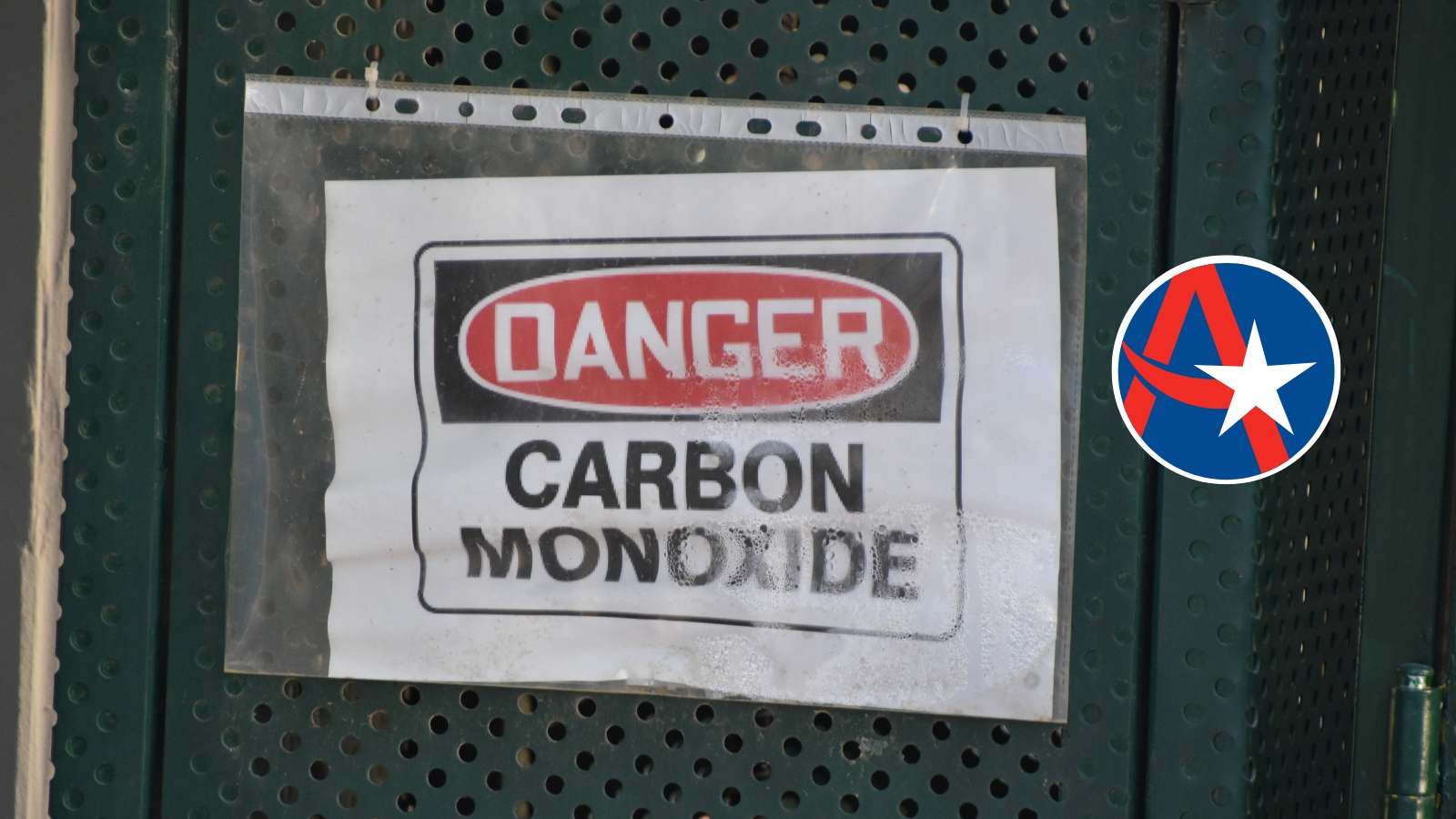
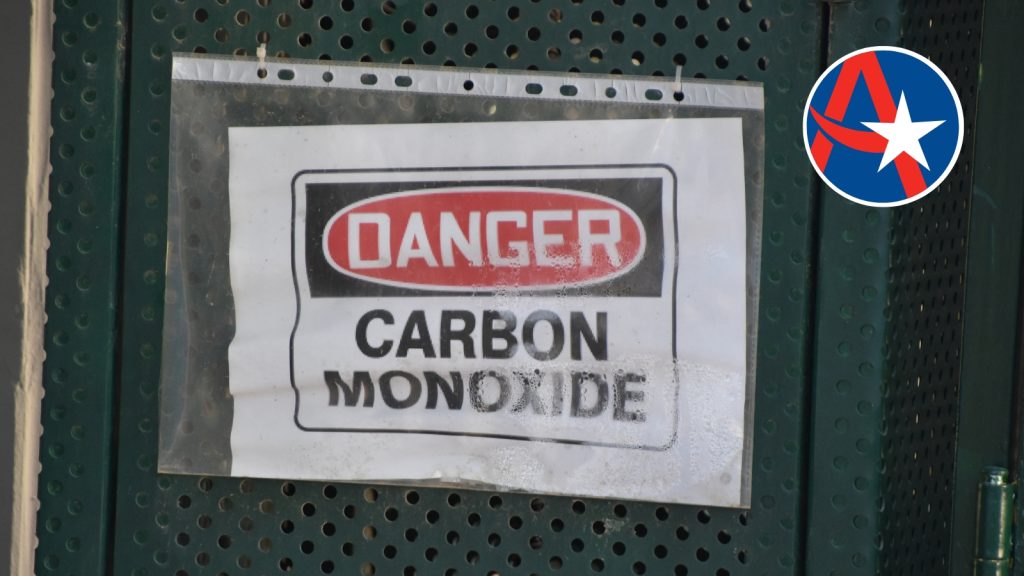
Ensuring Carbon Monoxide Safety in the Workplace is a constant battle fought throughout the year, beyond November’s ‘Carbon Monoxide Awareness Month’. The invisible and odorless nature of Carbon Monoxide (CO) together with its significant health hazards makes it a silent yet deadly risk.
Carbon Monoxide Safety in the Workplace: Unveiling the Sources
To enhance Carbon Monoxide Safety in the Workplace, recognizing the multitude of CO sources is a critical first line of defense. The incomplete combustion of fossil fuels like gasoline, natural gas, propane, coal, and wood leads to the production of CO. This can occur in various commonplace workplace equipment like furnaces, water heaters, ranges, ovens, and space heaters. Industrial workplaces often use portable generators, power tools, and lawn equipment running on gasoline or other fossil fuels. Moreover, motor vehicles, specifically those powered by gasoline or diesel engines, also generate CO as a combustion byproduct. According to recent reports, CO poisoning risks are higher during winter storms and can lead to a surge in CO production and buildup due to increased use of heating sources.
Decoding the Health Impact of Carbon Monoxide Poisoning
A comprehensive approach to Carbon Monoxide Safety in the Workplace necessitates understanding the health implications of CO poisoning. Mild CO poisoning symptoms often resemble those of the common flu, making them easy to overlook. These may include headaches, dizziness, weakness, upset stomach, vomiting, chest pain, and confusion. But prolonged exposure or exposure to high levels of CO can result in adverse health effects. Loss of consciousness, seizures, coma, and fatality are some severe CO poisoning outcomes. A recent study further underscores this by revealing abnormal brain functional network dynamics in delayed encephalopathy patients post-CO poisoning exposure.
Emphasizing the Need for Efficient Detection
When it comes to championing Carbon Monoxide Safety, one cannot understate the importance of efficient detection. Faced with an adversary that is colorless, odorless, and tasteless, standard security measures fall short, allowing CO to breach the first line of defense without raising any alarms.
In the complex ecosystem of a workplace, CO detection is not a one-size-fits-all solution. Different environments possess unique aspects, requiring tailored strategies. Small confined spaces may require portable gas monitors, while large industrial environments could necessitate fixed gas detectors with integrated alarm systems.
Efficient CO detection hinges on factors beyond just the presence of detection devices. The placement of these detectors can greatly impact their effectiveness. Detectors need to be strategically located near possible CO sources and common areas. Regular checks and maintenance of these detectors are likewise essential to ensure their constant operational readiness and reliability.
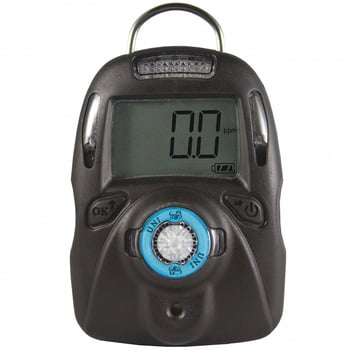
With the stakes so high, workplaces cannot afford to compromise on the quality of their CO detectors. Commercial-grade detectors are designed keeping these precise needs in mind. For instance, the Tango TX1 Single-Gas Monitor features DualSense Technology, increasing worker safety by providing the redundancy of two sensors for the detection of a single gas. Products such as the RKI CO-04 Carbon Monoxide Single Gas Personal Monitor provide high functionality in a compact and lightweight design, making them ideal for continuous monitoring in challenging environments.
Detectors are more than just safety equipment. They’re the guardians at the gates, the watchmen on the walls — the first and often the only line of defense against the silent, invisible killer that is CO. Emphasizing the need for efficient detection is not merely a statutory compliance tick mark, but an investment in the welfare and well being of the entire workforce.
Enforcing Proactive Protection Measures
Protecting your workspace from CO goes beyond ensuring proper detector installations. Carbon Monoxide Safety in the Workplace demands proactive and comprehensive safety strategies. Adequate ventilation for all fuel-burning appliances, regular maintenance checkups and schedules for these appliances, safe usage and operation guidelines for devices likely to emit CO are keys to creating a secure work environment. The recent changes to CO rules in Ontario, set to impact many workplaces from 2026, underline the increase in focus on such preventative measures.
Apollo Safety, Your Trusted Partner
At Apollo Safety, Carbon Monoxide Safety in the Workplace is about more than just selling CO detectors. It’s about partnering with organizations to help them maintain a safe and secure work environment. Our solutions include full calibration services for portable and fixed gas detectors, training programs for employees, and reminders for calibration schedules.
Every gas detector purchased from Apollo Safety comes with the assurance of one full year of FREE calibrations. Equip your organization with our comprehensive lineup of products. These can include MX6 Multi-Gas Detector and the Industrial Scientific VTS-K1231101101 Ventis MX4. Protect your workforce from the silent killer that is CO.
To schedule a calibration or speak with a gas detection specialist, visit www.apollosafety.com or call us at (800) 813-5408.